Experiments with paper-thin wood, digital fabrication and Kerala craft materials.
01 / WOOD, BUT PAPER-THIN
My starting point was a material that challenged something very basic about how I understood wood.
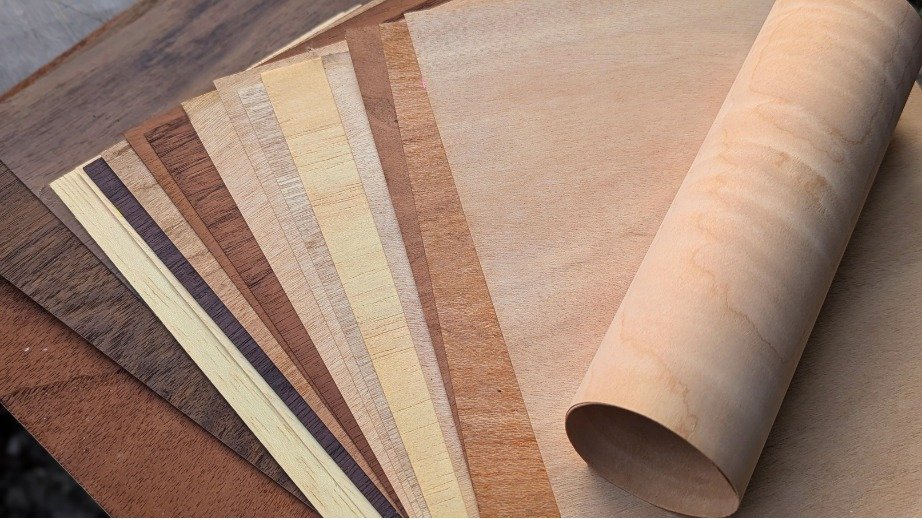
Nissiwood Ventures had developed a method of micro-processing wood into extraordinarily thin veneer sheets—thin enough to print on, flexible enough to fold, yet still carrying the grain and visual character of wood.
The process was pioneered by the late Punnoose P. Elias, founder of Nissiwood Ventures.
I became interested not in redesigning the material itself, but in a different question:
What else could this material become?
It looked like wood. It behaved almost like paper.
02 / STARTING WITH THE MATERIAL
Most applications of veneer begin with its surface: its grain, colour and ability to cover another material.
I was interested in its behaviour.
Could it bend?
Could it fold?
Could it be cut into intricate geometries?
Could small pieces become structural?
Could it be stitched, woven, layered or combined with softer materials?
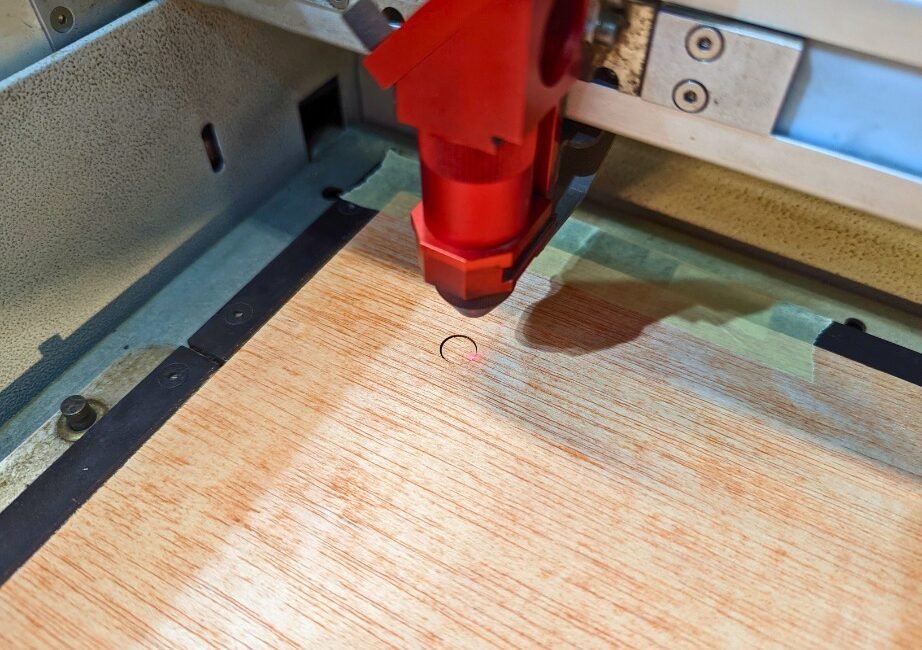
Digital fabrication gave me a quick way to move between these questions and physical experiments.
Laser cutting
03 / WHEN WOOD MEETS SOMETHING ELSE
VENEER + SCREWPINE + KHADI + SEEDS + GRAPHITE
The experiments became more interesting when the veneer stopped being the only material.
I began combining digitally fabricated veneer with materials and making traditions that already belonged to a very different world: woven screwpine sheets, khadi cotton yarn, hand-drilled seeds and handmade pencils.
The precision of digitally cut wood sat beside irregular fibres, woven surfaces and objects shaped by hand.
I wasn’t interested in making traditional handicrafts with a new decorative material. Nor was I trying to make digitally fabricated objects look handmade.
I wanted to see what could happen when the two ways of making were allowed to meet.
I began thinking of these experiments as neo-handicrafts—objects in which digital fabrication and hand processes were not opposites, but collaborators.
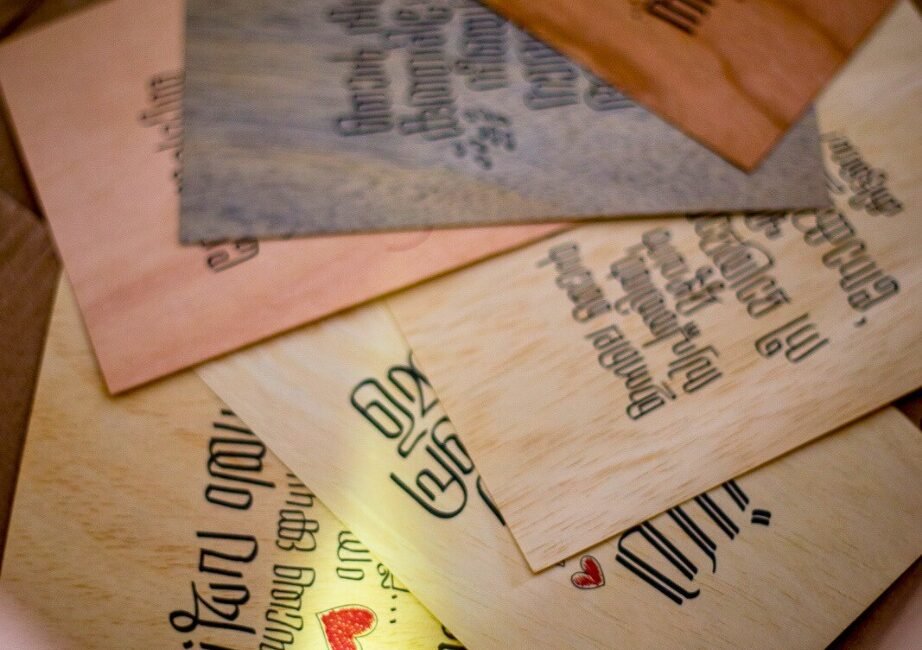
VALENTINES CARD digitally printed veneer
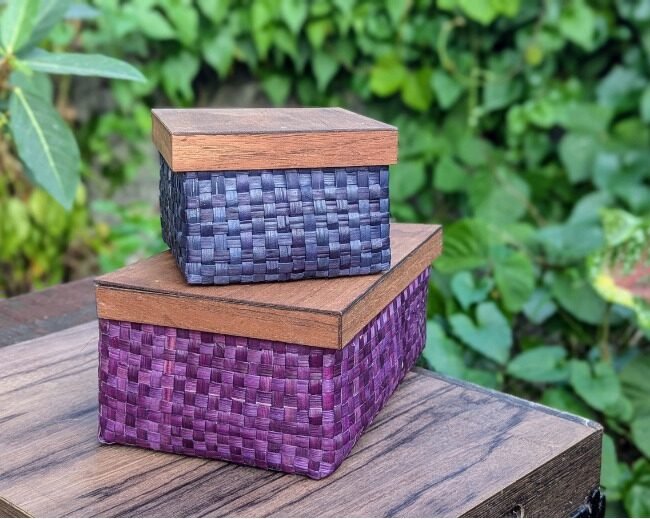
VENEER+SCREWPINE BOX
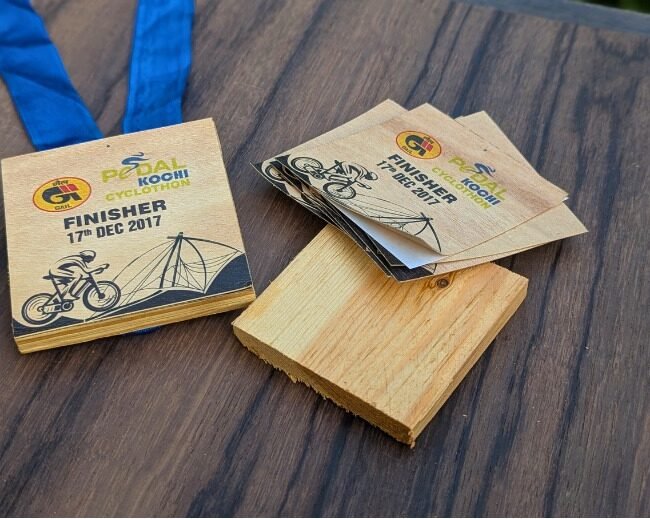
MEDAL digitally cut and printed veneer +wood+ribbon
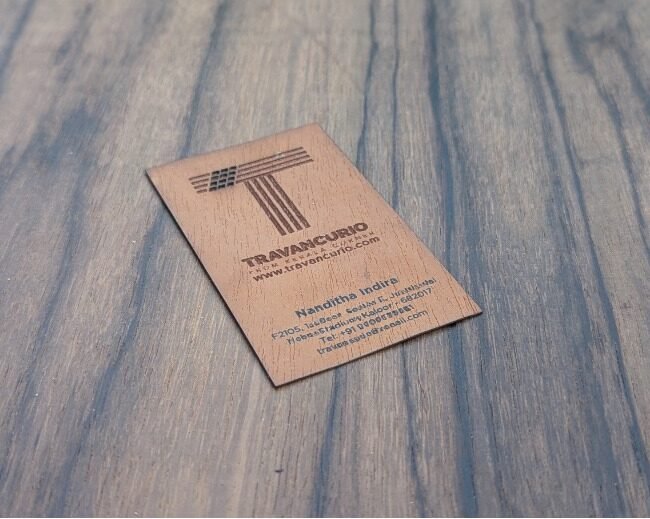
VISITING CARD digitally cut veneer
04 / SOME THINGS DIDN'T WORK
Thinness created possibilities, but also limits.
Some geometries broke. Some connections placed too much stress on the veneer. Cuts that looked convincing on screen behaved differently once the material was folded or assembled.
The failures were useful because they exposed something drawings couldn’t:
the material had its own opinion.
Black burns can occur during laser cutting if the power is not adjusted well. I used this for clothing as brand label but the wood bleeded into the clothes.
05 / FROM SHEET TO OBJECT
Once I understood the material a little better, the experiments moved rapidly across scales and uses.
A flat sheet became a structure.
A cut became a hinge.
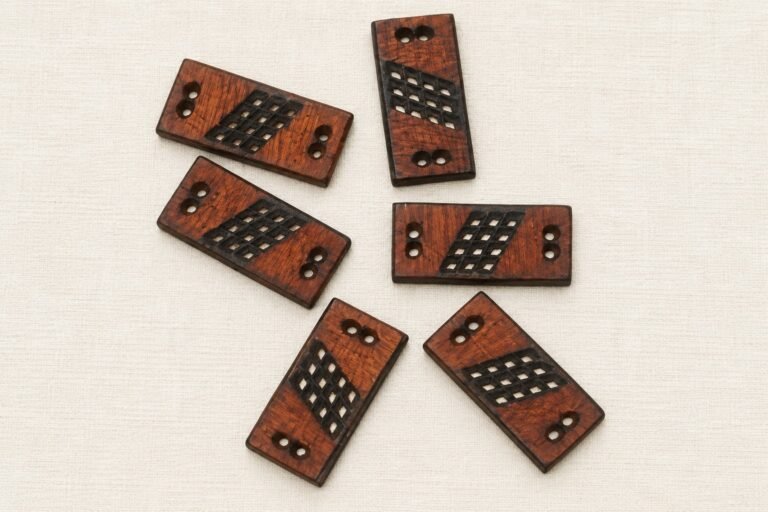
A hole became a place for thread.
A veneer component met woven screwpine.
The same material moved between packaging, stationery, accessories, decorative objects and small structures.
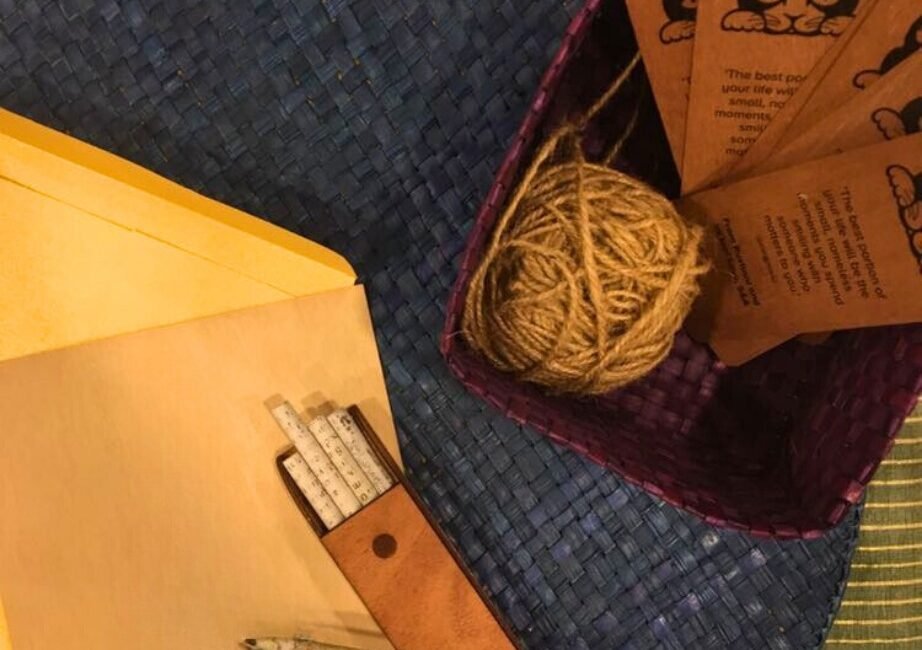
PENCIL CASE veneer and a wedding thankyou card
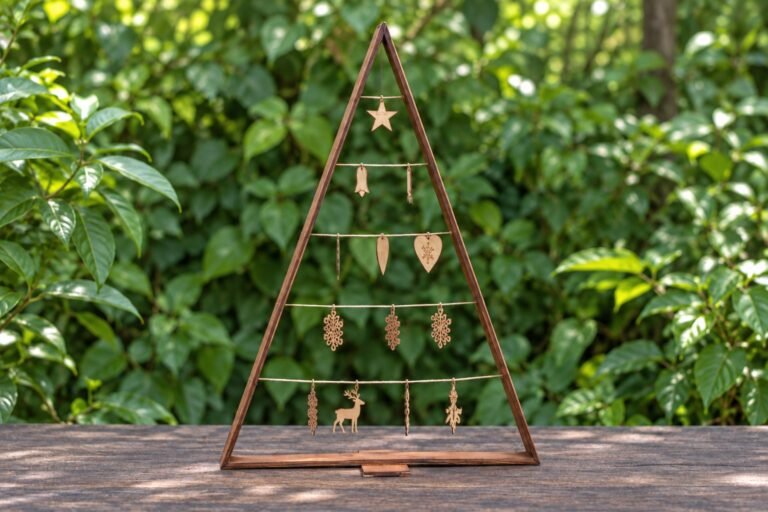
CHRISTMAS TREE
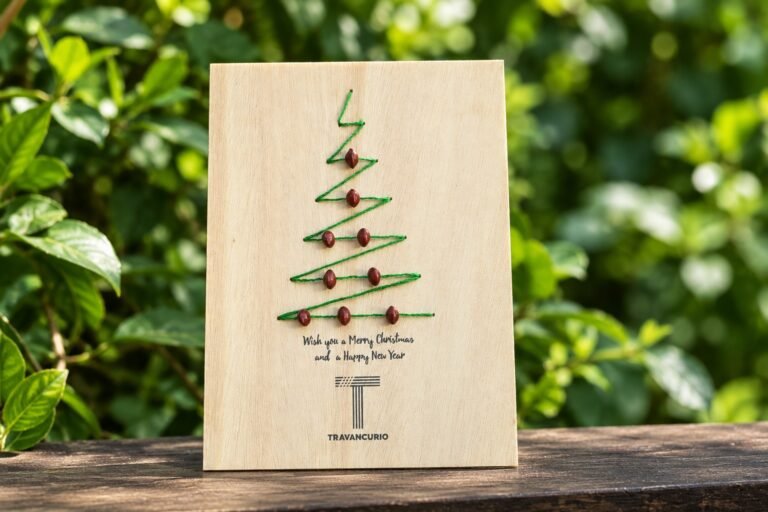
CARD veneer + seeds + handloom yarn
06 / THE PRODUCT WAS ALSO A MATERIAL DEMONSTRATION
The finished objects mattered, but they were also demonstrations.
A bag suggested that veneer could participate in a flexible object.
A box explored structure.
A card used its paper-like thinness.
Thread and seeds introduced different ways of joining.
Screwpine allowed an industrially processed wood material to sit alongside a locally familiar woven one.
Each object proposed another possible relationship between the veneer and the things around it.
The collection became less a catalogue of products than a catalogue of possibilities.
SOMETHING HAPPENS
↓
SENSE
↓
DECIDE
↓
COMMUNICATE
↓
ACT
07 / WHAT I CARRIED BACK
01
What happens when we design from what a material can do rather than what it is normally used for?
02
Can digital fabrication extend a craft vocabulary without imitating craft?
03
What new connections appear when industrial precision meets handmade irregularity?
04
Can a collection of small objects become a way of researching one material?
FIELD NOTES → ONGOING PRACTICE
Sometimes innovation begins by looking again at a material that already exists.
I didn’t invent the veneer.
Late Mr.Punnoose P. Elias had already done the difficult work of reimagining what wood could physically become.
My role was different.
I could cut it, fold it, combine it, break it, join it to other materials and ask what else it might do.
That experience stayed with me.
A new material does not necessarily need a predetermined application. Sometimes it needs enough experiments for its possibilities to become visible.