BIOMATERIALS / MATERIAL RESEARCH / PRODUCT DEVELOPMENT
Pola
Exploring how invasive water hyacinth become a rich source for materials, products and local manufacturing.
Project: Pola Research initiated: 2022–23 Location: Kerala, India Material: Water hyacinth (Pontederia crassipes, formerly Eichhornia crassipes)
Status: Ongoing research / Product prototyping / Cat litter pilot completed
01 / The Project
From invasive growth to material possibility.
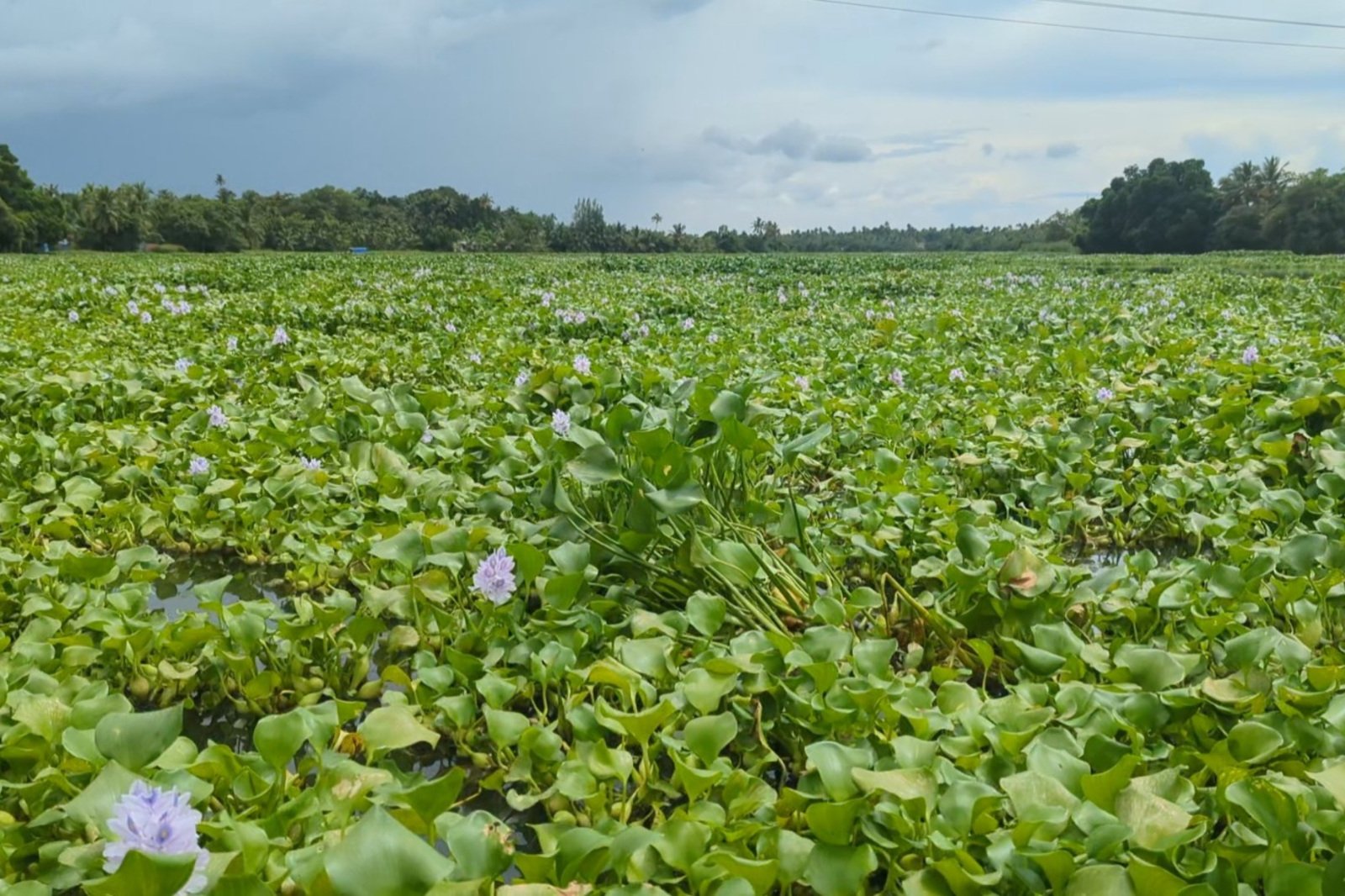
Water hyacinth is an invasive aquatic plant that spreads rapidly across freshwater ecosystems, obstructing waterways and affecting the communities that depend on them.
Pola began as an investigation into whether this abundant and problematic biomass could be transformed into useful materials.
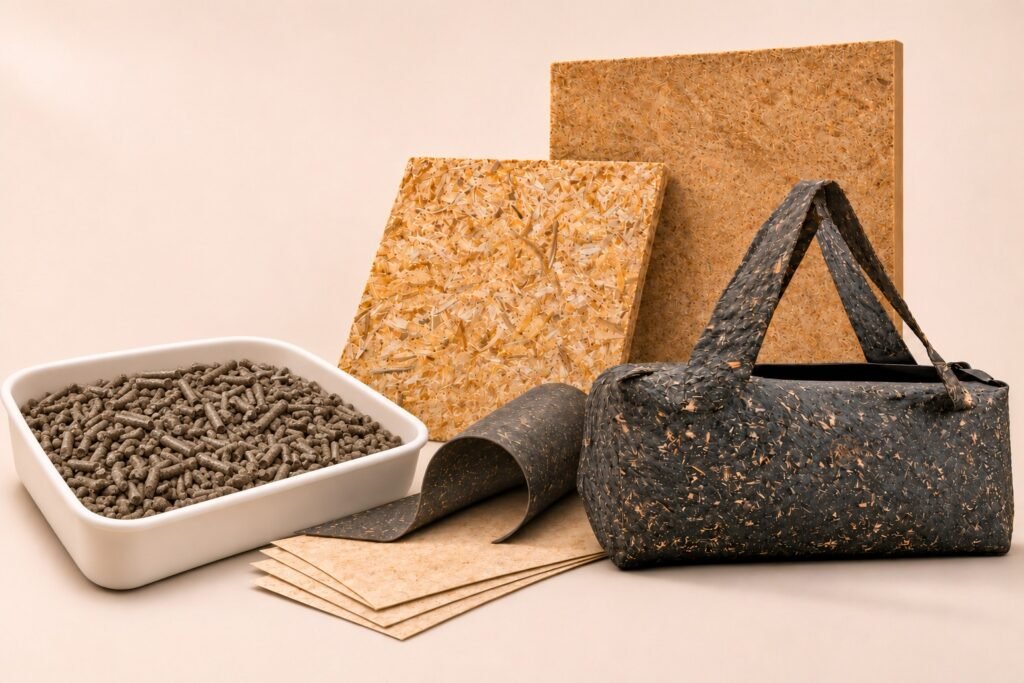
Rather than approaching water hyacinth as the raw material for a single product, I began exploring its potential across different manufacturing processes and applications—from absorbent granular materials and compressed boards to paper and flexible sheets.
The project combines material research with an interest in developing accessible manufacturing methods that could eventually support local processing and production.
02 / Understanding the Material
One plant. Different material behaviours.
Water hyacinth presents both opportunities and processing challenges.
Its high moisture content makes harvesting, transportation, drying and storage significant considerations. Different parts of the plant, and different degrees of fibre processing, can produce materials with very different characteristics.
The research therefore examines not only what can be made from water hyacinth, but how preparation methods influence its potential uses.
03 / Material Explorations
Developing a family of materials.
Pola has evolved into several parallel material investigations, each responding to different properties of the plant.
01 — Biodegradable Cat Litter
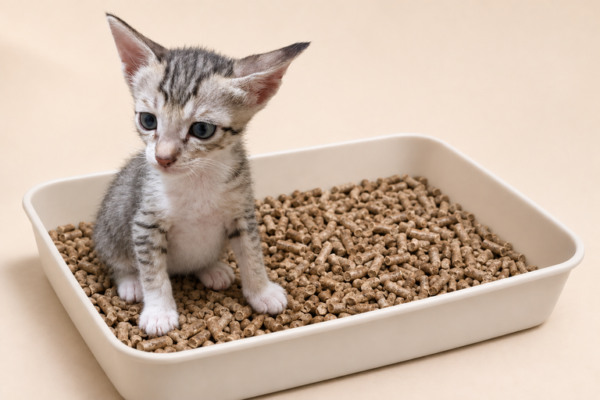
An absorbent material developed from processed water hyacinth biomass as an alternative to conventional cat litter.
This application was taken through a local pilot, allowing the material to be evaluated in the context of everyday animal care.
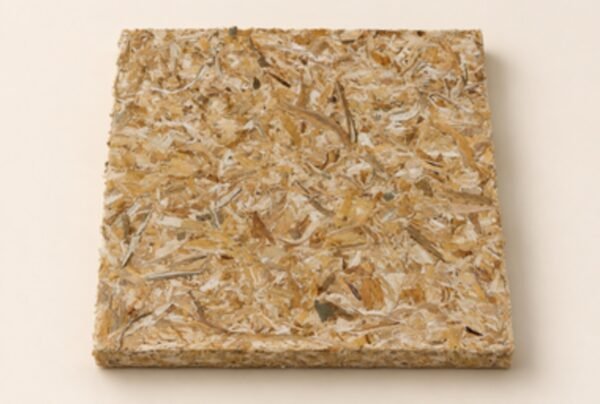
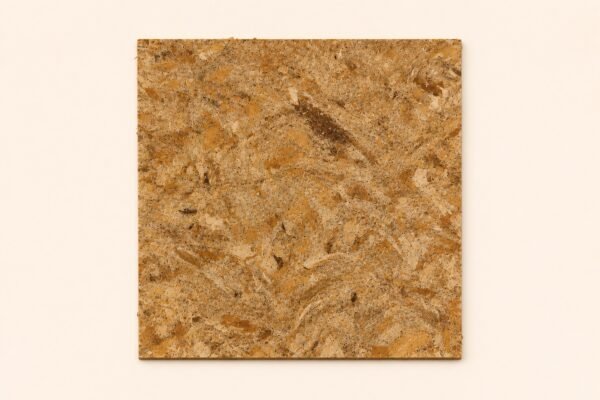
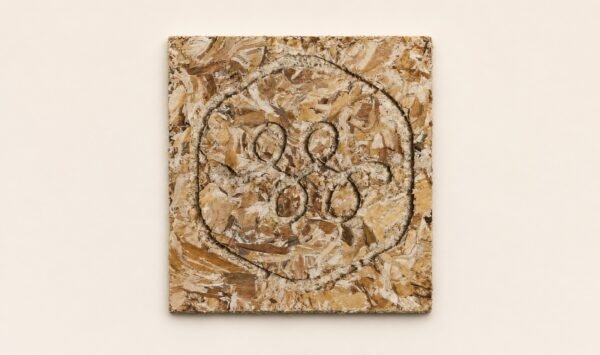
02 — Compressed Biomass Board
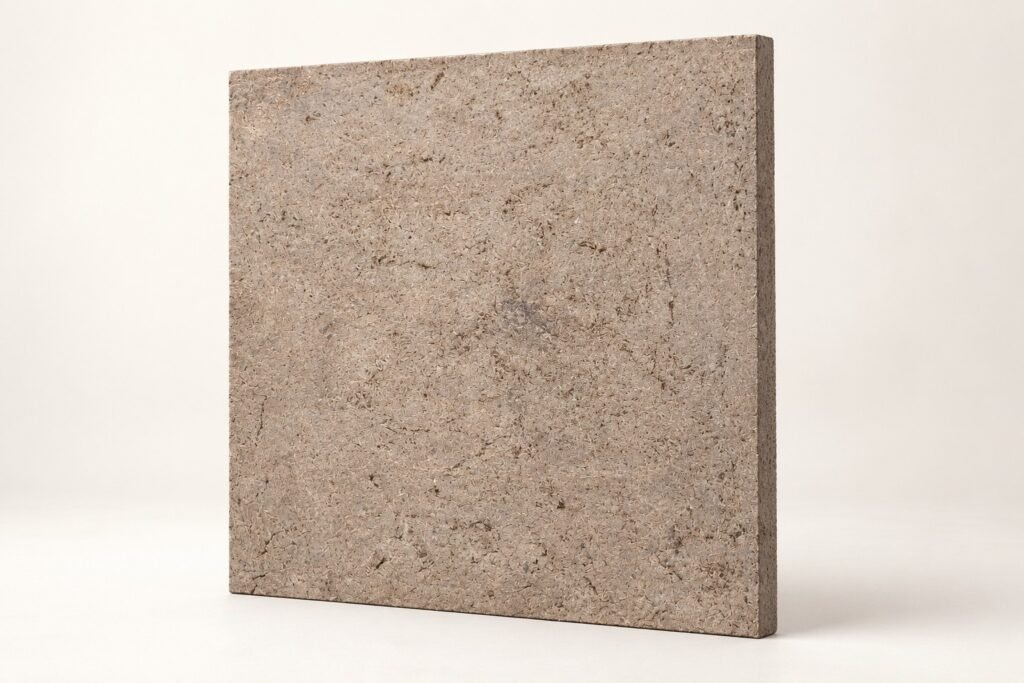
An investigation into converting processed water hyacinth into rigid panels through forming and compression.
The research explores the relationship between fibre preparation, binders, moisture, pressure and the resulting material structure.
Potential applications include non-structural panels, packaging and product components, subject to further performance testing.
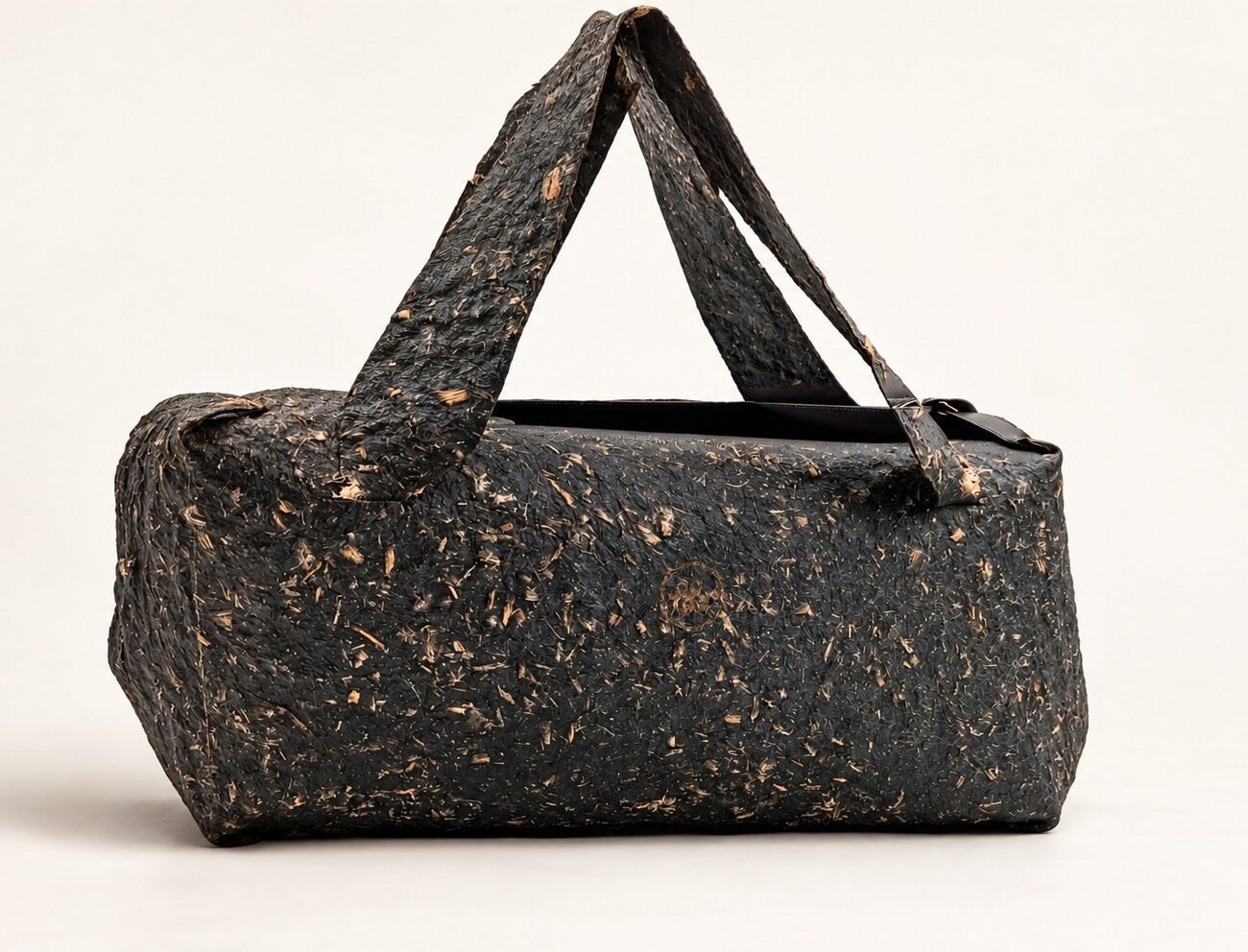
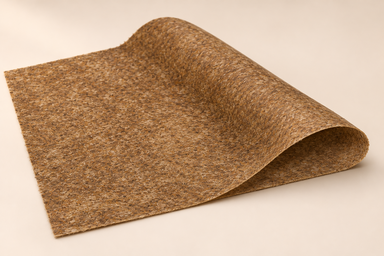
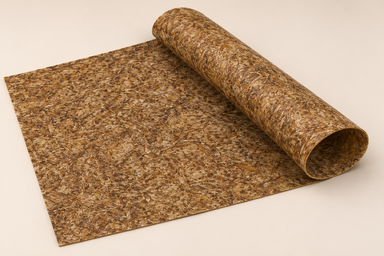
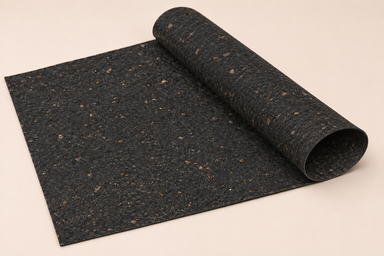
03 — Alternative Leather
An exploration of flexible sheet materials incorporating water hyacinth biomass.
This work investigates how the plant’s fibres can be processed and combined with other constituents to create sheet-like materials with potential applications in accessories and other non-structural products.
An exploratory product demonstrating a possible application of the sheet material.
06 / Outcome & Continuing Practice
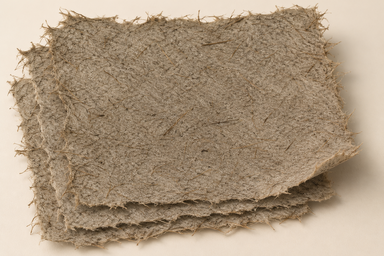
04 — Paper
An exploration of water hyacinth as a source of fibre for paper-like sheets.
The experiments investigate fibre preparation and sheet formation, with attention to texture, surface quality and potential applications.
Handmade paper sheet
Project documentation
Photography: Nanditha, Petra Garajova Year / Duration: V1: 2023, V2: 2025, Ongoing Collaborators: Jawahar Centre, IAAC Barcelona, Royal Academy of Engineering, Iniap
Related Research
Designing for the Animals We Live With
Behaviour, enrichment, accessibility and everyday care as design questions.